
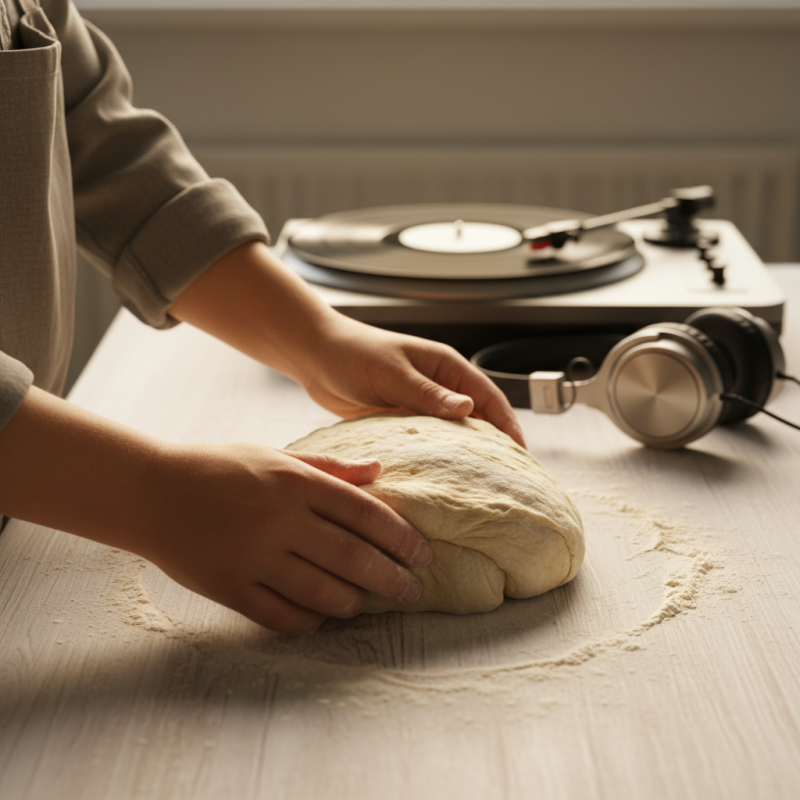
Are you tired of the endless scroll, the digital noise that constantly pulls at your attention? Do you crave an activity that grounds you, engages your senses, and leaves you with something tangible, delicious, and deeply satisfying? Imagine transforming your kitchen into a serene escape, a sanctuary where time slows down, and creativity flows. This isn’t just about making food; it’s about crafting an experience, a mindful retreat from the digital deluge. We’re diving into the delightful fusion of tactile joy and auditory calm, bringing you the ultimate soft pretzel breadsticks recipe alongside a guide to truly immersive lo-fi baking. Prepare to discover how these elements intertwine to create a deeply satisfying, ASMR-like culinary escape, perfect for creating irresistible pretzel breadsticks homemade.
This unique blend of comfort food, sensory engagement, and a relaxed approach to hobbies resonates deeply with those seeking authentic, enriching experiences. By the end of this article, you won’t just have a tried-and-true soft pretzel breadsticks recipe; you’ll have a curated guide to integrating lo-fi baking into your routine, transforming ordinary kitchen time into a mindful practice. Ready to unlock the secret to stress-free, delicious creation? Let’s get started.
The Zen of Dough: Why Lo-Fi Baking is Your Next Mindful Escape
In a world that constantly demands our attention, finding pockets of peace is more crucial than ever. Enter lo-fi baking, a revolutionary approach to a timeless hobby that promises not just delicious results, but a profound sense of calm.
The Allure of Lo-Fi: More Than Just Background Noise
Lo-fi, short for “low fidelity,” is a music genre characterized by its gentle rhythms, often nostalgic melodies, and unobtrusive vibes. It’s designed to be a subtle companion, not a demanding centerpiece. Think muted drums, hazy samples, and a relaxed tempo that never overpowers. For many Millennials and Gen Z, lo-fi isn’t just music; it’s a mood, a lifestyle, a sonic blanket that offers comfort and focus.
When paired with baking, lo-fi music becomes a powerful tool. Its laid-back nature enhances focus, allowing you to sink into the task at hand without distraction. The absence of jarring vocals or complex arrangements means your mind isn’t fighting for attention; instead, it’s free to appreciate the tactile sensations of baking. It reduces stress, creating an almost ASMR-like experience where the soft sounds of kneading, the gentle sizzle of butter, and the quiet hum of your oven are perfectly complemented by the calming soundtrack. But the music is only half the magic; the other half lies in the dough itself.
From Stress to Serenity: The Therapeutic Power of Kneading
There’s something inherently primal and profoundly therapeutic about working dough. The repetitive motion of kneading, pushing, folding, and stretching engages your entire being. It’s a physical act that demands your presence, pulling your awareness away from anxieties and into the moment. As you feel the dough transform from a sticky mass to a smooth, elastic ball, you’re not just developing gluten; you’re developing patience, resilience, and a deep connection to the creation process.
Beyond the physical engagement, kneading offers significant mental benefits. It’s a form of active meditation, allowing your thoughts to settle as your hands perform their rhythmic dance. The release of pent-up energy, the tactile feedback, and the gradual transformation of ingredients provide a unique pathway to mindfulness and creative expression. The simple act of working dough can be a powerful stress reliever, offering a tangible outlet for tension. As you perfect your kneading technique, you’ll feel more than just satisfaction; you’ll feel a profound sense of calm wash over you. But what exactly goes into crafting the perfect batch of these serene breadsticks?
Crafting Culinary Comfort: The Perfect Soft Pretzel Breadsticks Recipe
Now, let’s get down to the delicious details. This soft pretzel breadsticks recipe is designed for success, even if you’re new to yeast baking. Get ready to create a batch of pretzel breadsticks homemade that are soft on the inside, wonderfully chewy, and perfectly salty on the outside.
Gathering Your Ingredients: Essential Supplies for Homemade Pretzel Breadsticks
Before you start, ensure you have these key players lined up. Quality ingredients make all the difference in your soft pretzel breadsticks homemade.
* Active Dry Yeast: 2 ¼ teaspoons (one standard packet). This is your leavening magic, giving your breadsticks their signature airy texture.
* Warm Water: 1 ¼ cups (around 105-115°F / 40-46°C). Crucial for activating the yeast. Too hot will kill it; too cold won’t activate it.
* Granulated Sugar: 1 tablespoon. Feeds the yeast and adds a touch of sweetness to balance the salt.
* All-Purpose Flour: 3 ½ – 4 cups. The foundation for structure and texture. Keep extra handy for dusting.
* Fine Sea Salt: 1 teaspoon (for the dough). Enhances the overall flavor.
* Unsalted Butter: ¼ cup (melted). Adds richness and tenderness to the dough.
* Baking Soda: ½ cup. The secret ingredient for the iconic dark, chewy pretzel crust when dissolved in water for the bath.
* Warm Water (for bath): 8 cups. The quantity needed for the baking soda solution.
* Coarse Pretzel Salt: For sprinkling generously before baking. Non-negotiable for that authentic pretzel experience.
* Optional: Egg Wash: 1 large egg whisked with 1 tablespoon water, for an extra golden sheen if desired (though not strictly necessary with the baking soda bath).
* Optional: Melted Butter (for finishing): 2 tablespoons, brushed on hot breadsticks for extra flavor and shine.
Step-by-Step: Your Guide to Irresistible Soft Pretzel Breadsticks
Follow these steps carefully, and you’ll be rewarded with perfectly golden, chewy, and utterly delicious soft pretzel breadsticks homemade.
1. Activate the Yeast: In a large bowl, combine the warm water, granulated sugar, and active dry yeast. Stir gently and let it sit for 5-10 minutes. It should become foamy, indicating the yeast is active and alive. If not, your water might have been too hot or cold, or your yeast expired.
2. Mix the Dough: Add the fine sea salt and melted butter to the yeast mixture. Gradually add 3 ½ cups of the all-purpose flour, mixing with a wooden spoon or a stand mixer with a dough hook until a shaggy dough forms.
3. Kneading to Perfection: Turn the dough out onto a lightly floured surface. Knead for 8-10 minutes until the dough is smooth, elastic, and no longer sticky. If using a stand mixer, knead on medium-low speed for 6-8 minutes. The dough should spring back when gently poked. This step is crucial for developing the gluten that gives pretzels their characteristic chew and softness.
4. First Rise (Proofing): Lightly grease a clean large bowl. Place the dough in the bowl, turning once to coat. Cover the bowl with plastic wrap or a clean kitchen towel and let it rise in a warm, draft-free place for 1 to 1 ½ hours, or until it has doubled in size.
5. Shaping the Magic: Gently punch down the risen dough to release the air. Turn it out onto a lightly floured surface. Divide the dough into 16-20 equal pieces (about 2 ounces each for medium breadsticks). Roll each piece into a rope about 8-10 inches long and ½ inch thick. Try to make them uniform for even baking.
6. The Crucial Bath: Preheat your oven to 450°F (230°C). Line two baking sheets with parchment paper or silicone baking mats. In a wide, shallow pot or large saucepan, bring 8 cups of water to a rolling boil. Carefully whisk in the ½ cup of baking soda until dissolved. Reduce the heat to a gentle simmer.
Working in batches of 3-4, carefully drop the shaped breadsticks into the simmering baking soda solution. Allow them to bathe for 20-30 seconds per side, turning with a slotted spoon. They will puff up slightly. Remove them and let excess water drip off before placing them on the prepared baking sheets, leaving some space between each.
7. Baking Brilliance: If using an egg wash, brush it lightly over the breadsticks now. Immediately sprinkle generously with coarse pretzel salt. Bake for 12-15 minutes, or until deeply golden brown and cooked through. Baking time may vary slightly depending on your oven and the thickness of your breadsticks.
8. Finishing Touches: As soon as they come out of the oven, for an extra touch of flavor and shine, brush the hot breadsticks with melted butter. Serve warm with your favorite dips!
Tips for Perfect Texture & Flavor
* Don’t rush the kneading: This is where the magic happens. A properly kneaded dough will be smooth, elastic, and less prone to tearing, resulting in incredibly soft and chewy breadsticks. Patience truly pays off here.
* The importance of the baking soda bath: This isn’t just for show! The alkaline baking soda solution causes a chemical reaction (Maillard reaction) on the surface of the dough, giving pretzels their distinctive dark brown, shiny, and chewy crust and that unmistakable pretzel flavor. Don’t skip it!
* Achieving uniform breadsticks: While perfection isn’t the goal, consistency in size and thickness ensures that all your breadsticks bake evenly. Use a kitchen scale if you want precise measurements for each dough portion.
Troubleshooting Common Pretzel Pitfalls
* Why are my breadsticks dense? This usually points to under-kneading (not enough gluten development) or insufficient proofing (the dough didn’t rise enough). Ensure your yeast is active and you knead for the full recommended time.
* Why aren’t they golden enough? The baking soda bath is key here. Ensure the water is simmering, and they get at least 20-30 seconds per side. Also, your oven temperature might be too low.
* How to prevent sticking to the baking sheet. Parchment paper or silicone baking mats are your best friends! Greasing the pan alone isn’t always enough to prevent the dough from adhering after the baking soda bath.
Serving Suggestions & Flavor Variations
These pretzel breadsticks homemade are incredibly versatile.
* Classic with cheese dip or mustard: A warm, creamy cheese sauce or a tangy whole-grain mustard are timeless companions.
* Garlic Parmesan variation: After the baking soda bath and before baking, brush with melted garlic butter and sprinkle with grated Parmesan cheese and a pinch of dried parsley.
* Cinnamon sugar sweet breadsticks: Skip the coarse salt. After baking, brush with melted butter and roll them in a mixture of cinnamon and sugar for a sweet treat.
Now that your kitchen is filled with the tantalizing aroma of freshly baked breadsticks, it’s time to fine-tune the other half of our mindful equation: the music.
Curating Your Lo-Fi Soundtrack: The Ultimate Baking Playlist
The right soundtrack can elevate your baking session from a chore to a cherished ritual. For lo-fi baking, the goal is to create an auditory backdrop that soothes, inspires, and focuses.
Understanding the Lo-Fi Vibe: Mood, Tempo, and Genre
Ideal lo-fi baking music is characterized by its mellow, instrumental nature, with minimal or no vocals. The tempo is usually slow to medium, promoting a relaxed pace rather than rushed movements. Look for tracks that evoke a sense of calm, nostalgia, or gentle optimism.
Explore various sub-genres to find your perfect fit:
* Lo-fi hip-hop: Often features sampled jazz, soulful melodies, and laid-back drum beats.
* Chillhop: Similar to lo-fi hip-hop but often with a slightly more upbeat, yet still relaxed, feel.
* Jazzhop: Combines the improvisational elements of jazz with hip-hop beats, creating a sophisticated yet casual sound.
* Ambient: Can range from minimalist soundscapes to gentle synth pads, perfect for a deeply meditative experience.
Platforms and Playlists: Where to Find Your Rhythm
The digital landscape is rich with lo-fi treasures.
* Spotify: Search for popular playlists like “Lo-Fi Beats,” “Chill Lofi Study Beats,” or “Jazzhop Cafe.” Many users also create their own themed lo-fi playlists.
* YouTube: Endless streams like “Lofi Girl – beats to relax/study to,” “Chillhop Music,” or “The Jazz Hop Cafe” offer continuous, curated content. You can also find specific artist channels.
* Apple Music: Similar to Spotify, search for curated lo-fi stations and playlists.
Don’t be afraid to dive deeper. Search for terms like “instrumental chill,” “background focus music,” or “rainy day lo-fi” to uncover hidden gems and new artists that resonate with your personal vibe.
Building Your Personal Lo-Fi Baking Mix
Creating your own playlist can be incredibly rewarding.
* Consider the flow of your baking session: Do you want something slightly more energetic for the initial mixing and kneading, then something calmer for proofing and baking?
* Integrate nature sounds or ambient elements: Many lo-fi tracks naturally include subtle rain sounds, crackling fires, or distant city hums, enhancing the cozy atmosphere.
* Use specific artists or channels as starting points: If you find an artist whose work you particularly enjoy, explore their full discography or similar artists recommended by the platform. Curate a list that allows you to seamlessly transition from active preparation to patient waiting, always enveloped in a calm sonic bubble.
With your breadsticks cooling and your playlist humming, let’s explore how this entire experience can become a consistent practice for well-being.
Beyond the Breadsticks: Cultivating Mindfulness in the Kitchen
The act of baking, especially when paired with the intentional calm of lo-fi music, is more than just a means to an end. It’s an opportunity to practice mindfulness, transforming a simple kitchen task into a powerful self-care ritual.
Engaging All Senses: Sight, Sound, Smell, Touch, Taste
Mindfulness is about bringing your full awareness to the present moment, and baking provides a perfect canvas for this.
* Sight: Pay attention to the visual changes in the dough – how it transforms from shaggy to smooth, how it expands during proofing, and how it browns in the oven. Notice the intricate patterns of the coarse salt.
* Sound: Listen. The gentle thud of dough on the counter, the subtle hiss of the baking soda bath, the quiet hum of the oven, and the soft crackle of cooling breadsticks. Let these sounds meld with your lo-fi soundtrack.
* Smell: Savor the evolving aromas. The yeasty scent of rising dough, the rich smell of baking butter, and the irresistible, warm, savory fragrance of freshly baked pretzels filling your home.
* Touch: Feel the texture of your ingredients – the fine flour, the warm water, the sticky dough, then the smooth, elastic dough, and finally the warm, slightly coarse exterior of the finished breadsticks.
* Taste: The ultimate reward. Take a small, mindful bite. Notice the crispiness of the crust, the softness of the interior, the salty burst, and the underlying savoriness. Allow yourself to fully experience each flavor note.
Slowing Down: Embracing the Process, Not Just the Product
In our fast-paced world, we often rush towards the outcome, forgetting to appreciate the journey. Lo-fi baking encourages you to let go of perfectionism and embrace the process itself. If a breadstick isn’t perfectly uniform, that’s okay. If the rise isn’t quite as dramatic as you hoped, it’s still dough, still delicious. Find joy in the hands-on creation, the quiet moments of waiting, and the satisfaction of engaging with something real and tangible. The beauty lies in the act of making, not just in the flawless final product. This shift in perspective can be profoundly liberating.
From Recipe to Ritual: Making Baking a Mindful Practice
By intentionally integrating baking into your routine, it can evolve from a casual activity into a meaningful ritual.
* Creating dedicated baking time: Schedule it, just like you would a workout or a meeting. Make it non-negotiable.
* Setting the ambiance: Beyond the lo-fi music, consider soft lighting, a clean and uncluttered workspace, and perhaps a lit candle. Create an environment that signals “mindful creation.”
* Baking as self-care: Recognize that this time is for you. It’s an investment in your well-being, a way to nourish both your body and your soul. Whether it’s once a week or once a month, let baking be your consistent anchor in a chaotic world.
Ready for some quick answers to common questions before you fully immerse yourself?
Frequently Asked Questions about Soft Pretzel Breadsticks & Lo-Fi Baking
Can I make the **soft pretzel breadsticks recipe** dough ahead of time?
Yes! After the first rise, you can punch down the dough, place it in a greased bowl, cover tightly with plastic wrap, and refrigerate for up to 24 hours. Let it come to room temperature for about 30 minutes before shaping.
What’s the best way to store leftover soft pretzel breadsticks?
Store them in an airtight container at room temperature for 1-2 days. For longer storage, freeze them in a freezer-safe bag for up to 1 month. Reheat frozen breadsticks in a 350°F (175°C) oven for 5-8 minutes until warmed through.
Is a baking soda bath really necessary for **pretzel breadsticks homemade**?
Absolutely! The baking soda bath is essential for achieving the classic dark, shiny, and chewy pretzel crust and its distinctive flavor. Without it, you’d simply have regular breadsticks.
What if I don’t have coarse salt for my soft pretzel breadsticks?
While coarse pretzel salt is highly recommended for authenticity, you can use kosher salt as a substitute. Avoid regular table salt, as its fine grains will dissolve and make the pretzels too salty.
Can I use any type of lo-fi music for baking?
While personal preference plays a role, generally, instrumental lo-fi hip-hop, chillhop, jazzhop, or ambient music with minimal vocals works best. The goal is unobtrusive background music that promotes focus and relaxation, rather than distracting you.
Conclusion: The Final Note: Embrace the Soft Pretzel Breadsticks & Lo-Fi Lifestyle
You’ve embarked on a journey that transcends mere cooking. From the initial pain point of digital overload, you’ve discovered a path to genuine presence and culinary satisfaction. We’ve explored how the tactile joy of preparing a beautiful soft pretzel breadsticks recipe, combined with the serene backdrop of lo-fi baking, can transform your kitchen into a sanctuary. The meditative act of kneading, the crucial baking soda bath, and the satisfying crunch of a perfectly salted pretzel breadstick homemade all converge with carefully curated rhythms to create a holistic, sensory experience.
This isn’t just about food; it’s about reclaiming your focus, nurturing your well-being, and finding profound pleasure in simple acts of creation. We encourage you to experiment with your own lo-fi baking playlists, explore new flavors, and most importantly, embrace the journey. So, dim the lights, hit play on your favorite chill beats, roll up your sleeves, and dive into this incredible sensory experience. Discover your new favorite mindful hobby and savor every bite of these irresistible soft pretzel breadsticks. Your peaceful kitchen escape awaits.